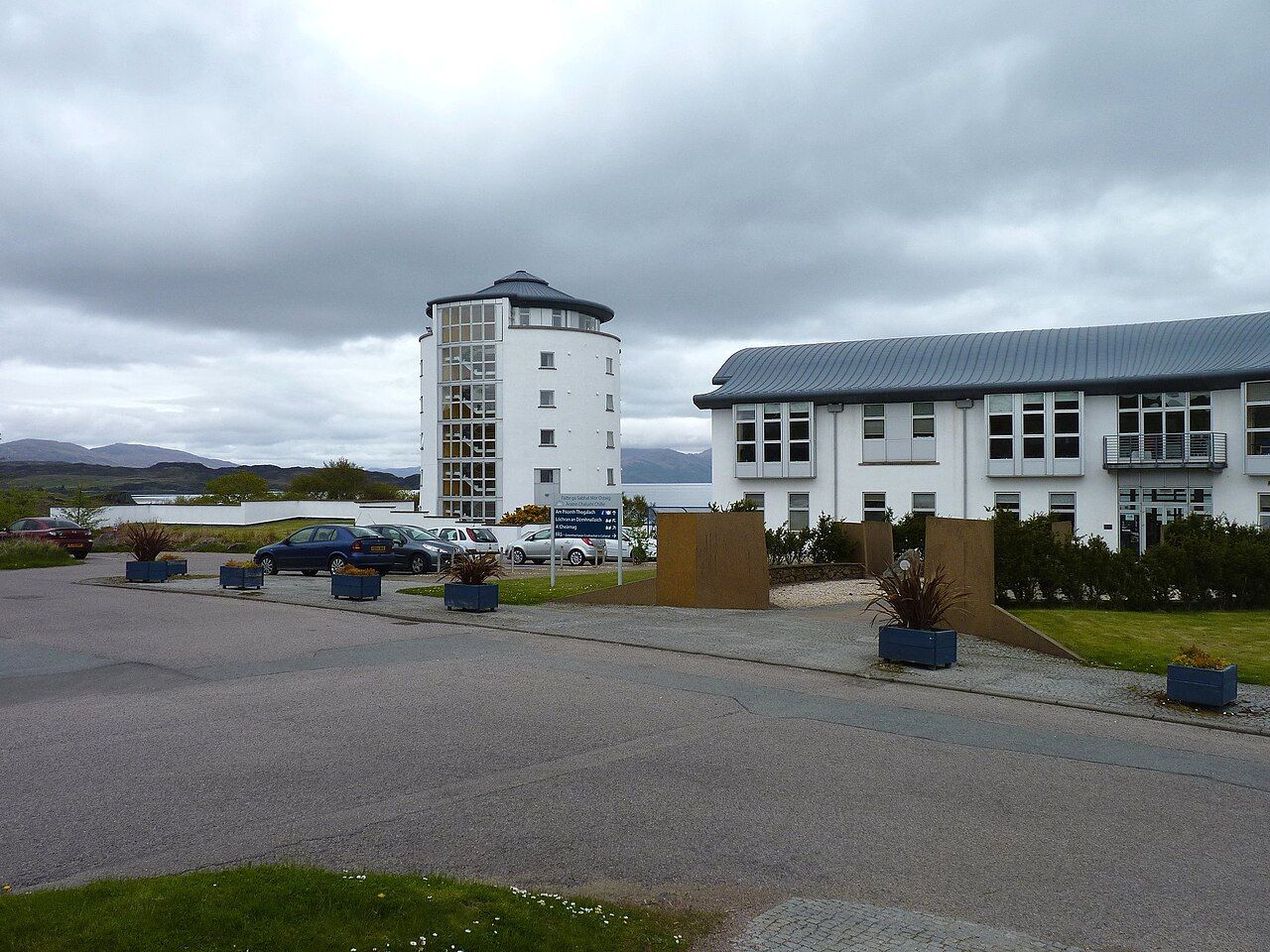
Sabhal Mòr Ostaig — photo: James Allan
A road sign on Skye gives its place-name in Gaelic and English. Gaelic is part of how the island is named, spoken and heard. The map does not explain every name, and I like it better for that. A place can be familiar without being fully translated.
| Where | What is heard or seen |
|---|---|
| Road signs | Gaelic and English |
| Sleat | Sabhal Mòr Ostaig, where courses are taught in Gaelic |
| Across the island | Gaelic song and poetry |
Scottish Gaelic is spoken by a significant share of people on Skye, more than in most of Scotland. That is the plain measure of its presence, and it is worth holding on to the exact shape of the fact. Gaelic is spoken here; the statement does not mean every conversation is in Gaelic, or that a visitor will hear it at any particular moment. The language belongs in the account of the island without needing to be turned into a promise.
Place names offer another way in, though not a neat translation for every bend in the road. Many names on Skye are Gaelic or Norse, and those two strands sit in the island’s naming without making every name easy to read. I have a fondness for a map that lets the names remain themselves.
The island’s name in Gaelic is An t-Eilean Sgitheanach, sometimes translated as the winged isle. I like the care in sometimes. A translation can open a door, but it should not be mistaken for the whole room; the Gaelic name has its own weight before English gives it an image. On a map, the two forms can stand close together and still feel different, each one asking to be read on its own terms.
On the roads, Gaelic and English appear together on the signs. This is one of the clearest places for a visitor to meet the language without needing to seek out a particular occasion. The sign is practical, doing the work of naming a place, and it also makes Gaelic visible in an ordinary part of moving round the island. I prefer that kind of presence to a display set apart from daily use; it asks for attention without asking for applause.
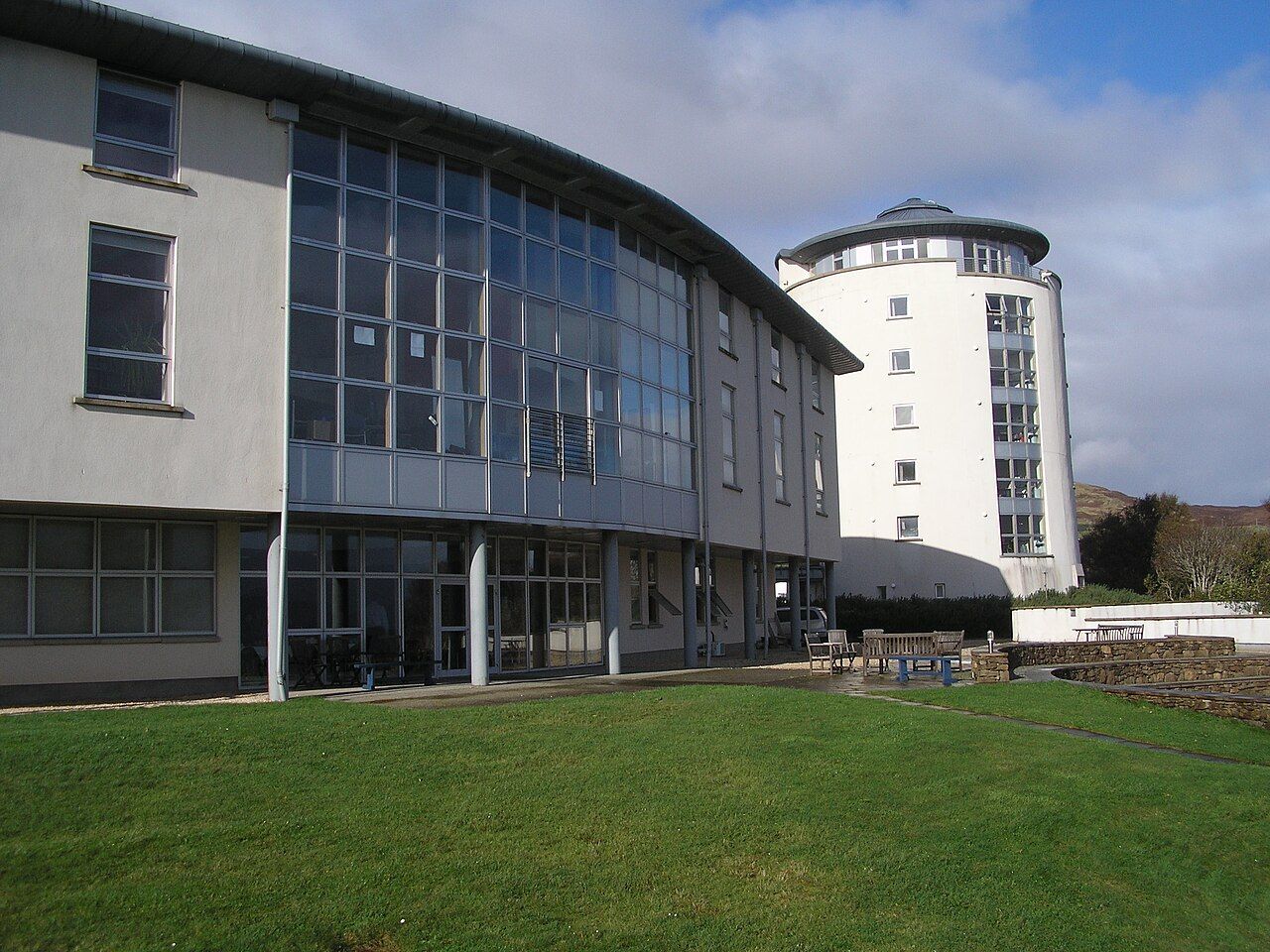
In Sleat, Sabhal Mòr Ostaig is a college where courses are taught in Gaelic. Its place in this story is clear: Gaelic is not only carried in names or heard in song, but taught as a language. I will not dress that fact up with claims about who studies there or what a course contains; the plain detail is enough. On my dog-eared map, Sleat is a place-name among many, but this gives it a particular place in the island’s Gaelic life.
Gaelic song and poetry are strong on Skye. The fact matters because a language is not only something to read on a sign or follow through a name; it can also be heard and shaped in song, or held in poetry. It is enough to know that both belong to the island’s life, alongside the spoken language and the written names.
For me, the pleasure is in these forms meeting without one having to stand in for all the others. The bilingual sign, the Gaelic name, the college in Sleat, song and poetry each offer a different point of contact. None turns the language into a single attraction, and none needs a visitor to understand everything at once.
Gaelic is part of how the island is named, spoken and heard.
At the end of a day, the map folds back along its old creases, leaving An t-Eilean Sgitheanach beside the English name in my mind. The signs will keep giving both languages their place on the road, and the names will remain more than their translations. I like closing the map with some words still open.
Single-track roads on Skye: how driving works is worth a look as well.